Using the Issues Management Process to Handle Noise Complaints in Small Condos
- Condo Care
- Dec 2, 2025
- 5 min read
Noise complaints are the most common issue in condominium communities. Thin walls, shared spaces, and diverse living habits mean that what's normal for one person is disturbing for another.
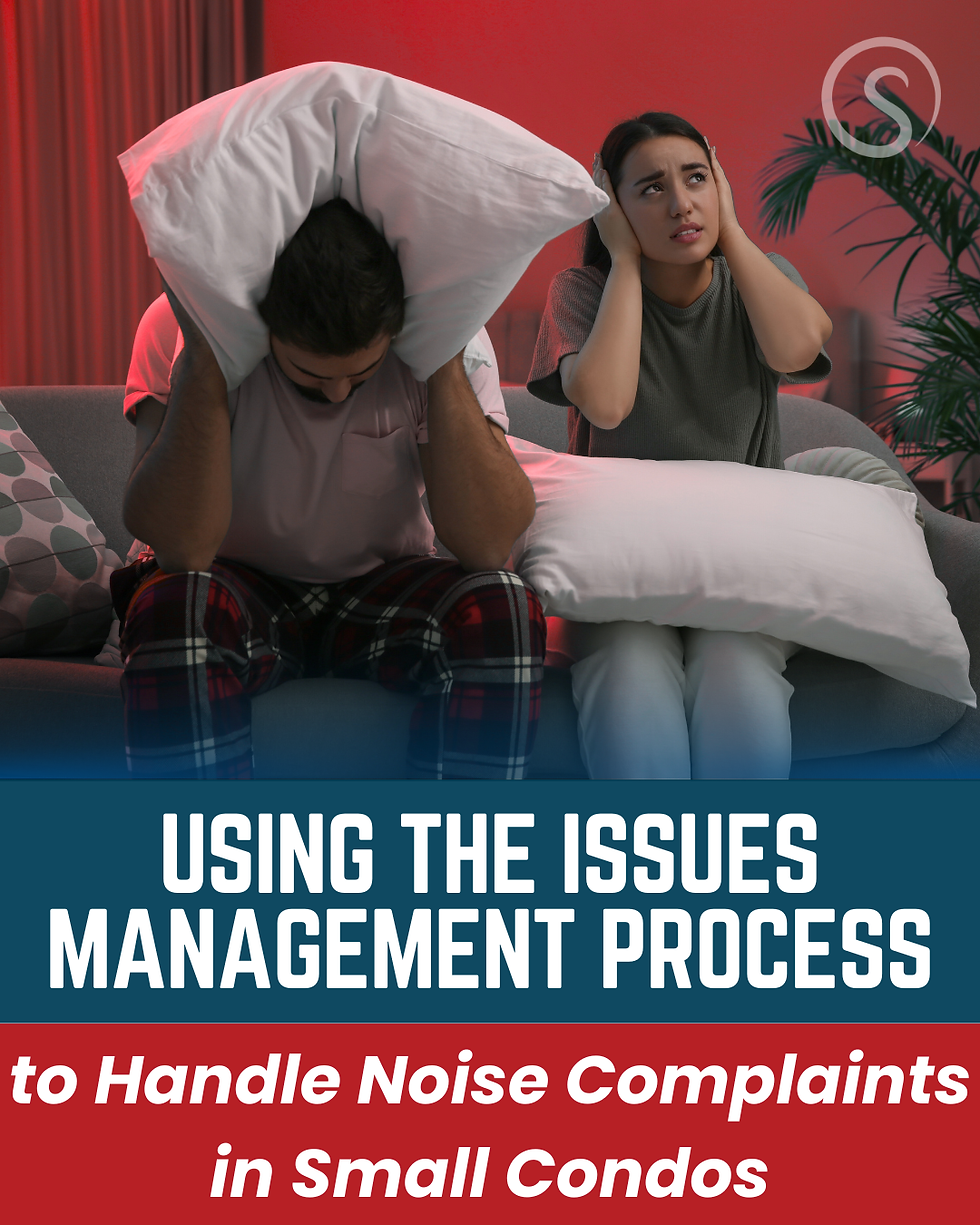
In Hovagimian v. Toronto Standard Condominium Corporation No. 1754, one owner finally took his long-running noise dispute to the tribunal after years of sleepless nights. The tribunal sided with him, finding that the neighbor had caused unreasonable noise and the condo board had not acted quickly enough to stop it.
However, it also cautioned the owner about his aggressive behavior toward the board, reminding everyone that resolving conflicts respectfully is just as important as being heard.
For volunteer board members, noise complaints can feel impossible to handle. They're personal, emotional, and difficult to resolve fairly. But they don't have to escalate into major conflicts. With a structured issues management process, boards can address noise complaints systematically, fairly, and effectively.
Why Noise Complaints Are So Challenging
Noise is inherently subjective. What constitutes excessive noise to one person is normal activity to another. This subjectivity makes noise complaints uniquely difficult compared to objective violations like parking infractions or maintenance failures. Additionally, noise complaints often involve highly emotional residents in small condos who deeply value their peace and comfort. The difficulty of gathering objective evidence about sound (it's intangible and varies throughout the day) compounds the problem.
Recurring patterns of noise frustrate complainants, and if not addressed promptly, the situation can escalate quickly. Without a systematic approach, boards often react emotionally instead of strategically, leading to inconsistent enforcement and owner dissatisfaction.
The Issues Management Framework for Noise
The Issues Management Process provides a structured way to handle noise complaints through three main phases: identifying and documenting every complaint systematically, evaluating the underlying issue thoroughly, and responding appropriately while monitoring outcomes. Throughout all phases, consistent tracking and communication are critical.
Phase 1: Identify and Document Noise Complaints

The first step is capturing every complaint systematically. Many small boards lose complaints in the shuffle: an owner mentions noise to a board member in passing, but the issue is never formally documented. By next month, it's forgotten.
Establish a formal way for owners to report noise issues through written forms, email, or phone calls. Make sure people know how to submit complaints and feel genuinely heard when they do.
When a complaint comes in, record the date, complainant name (if not anonymous), unit numbers of both complainant and noise source, a detailed description of the noise, when it occurred, and how long it lasted. Specific details matter far more than vague descriptions. Instead of "loud noise," record "amplified music, approximately 90 decibels, 11 PM to 1 AM."
Start an issue log as a simple spreadsheet tracking complaint date, unit numbers, noise nature, issue status, assignment, and resolution date. This prevents complaints from being forgotten and ensures each issue moves through the process systematically.
Phase 2: Evaluate the Noise Complaint
Once documented, you need to understand what's really happening. Use the "5 Ws" approach to evaluate thoroughly.
What: Identify what the noise is. Is it music, footsteps, barking, construction, or equipment? Be specific.
Who: Determine who is involved. Which unit is the source? Is it a resident, tenant, or visitor? Are multiple units affected? Is there a pattern against the same unit?
Where: Identify where the issue occurred. Is it inside a unit, in common areas, or on a balcony? Location significantly affects response options.
When: Establish when it happened. Time matters enormously. Noise during sleeping hours (11 PM to 7 AM) is typically treated more seriously than daytime noise. Determine if it's a one-time event or chronic pattern.
Why: Investigate why it's happening. Is the noisy resident unaware their actions affect others? Are they deliberately violating bylaws? Is there a legitimate reason like construction or moving? Understanding motivation shapes your response.
Assign an "Issue Owner", typically a board director, to investigate without jumping to conclusions or assigning blame. The goal is understanding, not blame-finding.
Phase 3: Respond and Resolve the Noise Issue
Once evaluated, you have four response options. You can fix it by fully resolving the issue through direct action. You can reduce or mitigate it by lessening the issue without eliminating it. You can avoid it by changing your approach or developing an alternative strategy. Or you can accept it by tolerating the issue, though this is rarely appropriate for noise affecting quality of life.
For most complaints, start with direct communication. Many people causing noise don't realize it's an issue. A friendly conversation is often effective. If informal communication doesn't work, send a written notice citing specific bylaw violations. Be clear about what behavior needs to change and by when.
Communication: Keeping Everyone Informed Throughout the Process
Communication isn't a formal process step, but it's absolutely essential. Maintain regular contact with the complainant, noise source, affected residents, and all board members throughout evaluation and response.

Update complainants on their complaint status regularly. Be clear with the noisy party about expectations and consequences. Keep all affected residents informed about board actions. Ensure all directors know about significant noise issues and actions being taken.
Residents who feel heard and see active intervention are much less likely to escalate frustration into formal complaints or legal proceedings. Transparency builds trust. Even if complete resolution takes time, owners are more accepting when they understand the reasoning.
Tracking and Monitoring: The Issue Log
Track whether behavior improves afterward. If violation continues, issue a second formal notice with stronger language. The board may then fine the resident if bylaws allow it or refer the matter to the Condominium Authority Tribunal. This log becomes your documentation that the board is managing issues methodically and fairly.
Best Practices for Noise Management
Respond promptly so frustration doesn't build
Investigate thoroughly before taking action
Treat all violations consistently without playing favorites
Separate the person from the problem by addressing behavior, not character
Document everything in writing for protection and accountability
Communicate with transparency about what you're doing and why
Review noise patterns quarterly to spot recurring issues
Some situations require external expertise. If noise seems severe and multiple units are affected, hire an acoustic consultant to conduct a proper assessment. If parties are hostile, bring in a neutral mediator to facilitate communication. If unresolved after months of intervention, either party can file with the Condominium Authority Tribunal for binding resolution.
Bottom Line
If you want to make the most of summer without upsetting your neighbors, explore guides on throwing enjoyable condo get-togethers that stay lively but considerate. Noise complaints don't have to destroy community harmony. A structured, fair, and transparent issues management process combined with consistent communication can resolve most situations while preserving relationships. Your role is to be fair, consistent, and transparent. Follow the process, document everything, and communicate regularly. That's how volunteer boards earn respect and maintain community harmony.
P.S. Don't forget to subscribe to our blog, and be the first to receive informative content such as this!


Comments