When Drips Turn into Disputes: Why Condo Maintenance Planning Matters
- Condo Care
- Jan 15
- 4 min read
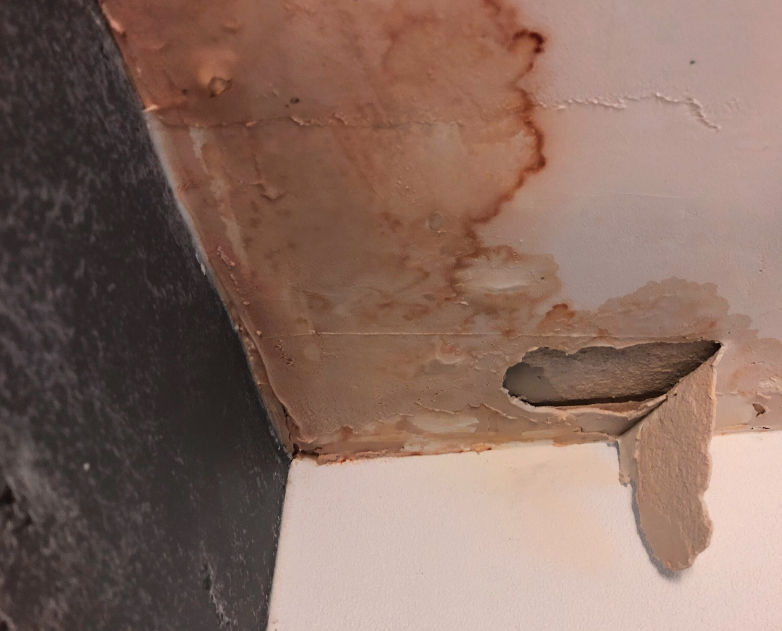
It started with a few drops from the ceiling in a small Toronto high-rise. At first, residents thought it was just condensation from the pipes. A towel under the drip seemed like a simple fix. But within days, the trickle became a steady stream that soaked drywall, bubbled paint, and allowed mold to spread through several units. What followed was not just a mess, but months of frustration, finger-pointing, and unexpected costs.
The question quickly became: who pays for the damage?
For many small and self-managed condos, this kind of situation is all too familiar. Without a clear maintenance plan or consistent communication between the board and residents, a single maintenance issue can turn into a legal headache. Ontario’s courts have already seen examples of this. In Ryan v. York Condominium Corporation No. 340, a unit owner faced persistent water leakage and mold because the corporation failed to repair common elements in time. The court ruled in the owner’s favour, awarding over $70,000 in damages. The lesson was clear: when maintenance is delayed or neglected, both owners and corporations can face significant financial and legal consequences.
Why Water Leaks Are More Serious Than You Think
Water leaks might seem like small issues, but in condos they are among the most costly and disruptive problems. Because buildings share systems such as pipes, walls, roofs, and drainage, water rarely stays in one unit. A leak in the ceiling of one condo could easily become a flood in another. Over time, that water can weaken structures, destroy insulation, and lead to mold growth that affects air quality and health.

In large condos with professional management, maintenance schedules are usually formalized, and inspections are routine. But in small and self-managed communities, the same level of structure often does not exist. Board members are volunteers, budgets are limited, and decisions can take time. Unfortunately, leaks do not wait for board meetings.
When the signs of water damage go unnoticed or repairs are delayed, the costs rise quickly. What might have been a small plumbing fix can become a multi-unit restoration project that drains the reserve fund.
Understanding Responsibility in a Condo Setting
One of the main challenges when water leaks occur is figuring out who is responsible. Condominium living blurs the line between private property and shared space. A pipe inside a wall might serve one unit, several, or the entire building. This is where your condominium’s governing documents become critical. The declaration and by-laws outline which parts of the building are considered common elements and which belong to individual owners.
When leaks occur, these documents help determine who must arrange and pay for repairs. Still, even the clearest documents cannot replace the value of a well-maintained system and good communication. The Condominium Authority of Ontario (CAO) emphasizes that prevention and documentation are key to avoiding disputes. Keeping maintenance records, inspection reports, and repair invoices helps both owners and boards prove they acted responsibly if a disagreement arises later.
What It Means for You as an Owner in Ontario
If you notice moisture stains, bubbling paint, or water dripping from the ceiling, the best approach is to act promptly and correctly.
Notify your condominium board right away and include photos or a detailed description.
Allow the corporation to inspect the area and identify the source of the leak.
Review your condo declaration and schedules to understand which systems are part of the common elements and which belong to your unit.
Maintain your own unit and any improvements, and make sure your insurance policy covers upgrades, mold, and interior damage.
Support or encourage a transparent maintenance plan within your community so everyone understands how repairs are handled.
Building a Culture of Prevention

Preventive maintenance is not just about fixing things before they break. It is about building a culture where care and communication come first. A well-informed board that plans ahead and a community that reports problems promptly are the foundation of a healthy condominium. Small condos, in particular, benefit from working together.
Without the layers of management found in larger buildings, collaboration between owners and directors becomes even more important.
Emergency preparedness also ties into this mindset. A leak may not seem like an emergency, but the same planning principles apply. The more a community discusses possible hazards, the faster it can respond when they occur.
The Bottom Line
Every small condo has its challenges, but maintenance should not be one of them. A few simple habits: routine inspections, clear communication, and record-keeping, can prevent thousands of dollars in damage and months of conflict. The Condominium Authority of Ontario reminds all boards that their duty is not just to maintain the property but to protect the collective well-being of their community. A clear plan, a responsive mindset, and a shared sense of responsibility make all the difference.
Because in the end, it is not the water that damages a building most. It is the delay in dealing with it.
P.S. Don't forget to subscribe to our blog, and be the first to receive informative content such as this!


Comments