Who Decides and Pays for EV Chargers in Self-Managed Condos
- Condo Care
- Feb 3
- 4 min read
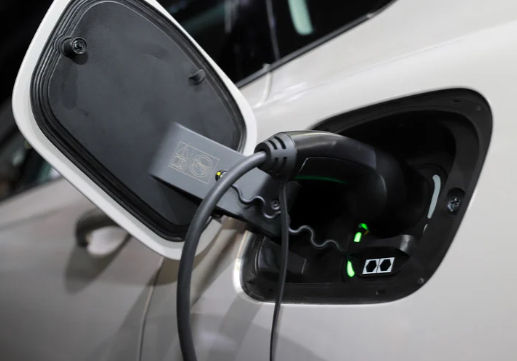
Electric vehicles are no longer just for a few people. They are becoming part of daily life, and more condo communities are asking the same question: how do we add chargers, and who should pay for them? For small or self managed condos, the idea can feel a little overwhelming at first. But with a bit of guidance from Ontario’s Condominium Act and the Condominium Authority of Ontario, the process can be simple and fair for everyone.
The key lies in understanding two sections of the law. Section 97 deals with changes made by the condo corporation, while Section 98 covers changes made by unit owners. Both set out how decisions must be made, who pays, and how to keep things fair for everyone in the community.
When the Condo Corporation Installs the Chargers
If the board wants to install EV chargers for shared use on the common property, it follows the process under Section 97 of the Condominium Act and Ontario Regulation 48/01. This allows the corporation to make certain improvements without an owner vote if the cost of installation is not more than ten percent of the condo’s annual budgeted common expenses and if owners would not consider it to reduce their enjoyment of the property. In other words, the board can move forward with a community charging project if the change is reasonable and well explained.
The Condominium Authority of Ontario explains this clearly in its guide:
“If the corporation will be doing the installation, all costs associated with the EVCS installation are considered common expenses of the corporation.” (CAO Best Practices Guide: Installing Electric Vehicle Chargers, p. 4)
This means that if the chargers will be for everyone’s use, the expenses come from the condo’s shared budget, just like lighting upgrades or roof repairs. It keeps things simple and fair. The board must still provide owners with written notice explaining the project, its cost, and how it will be paid for. This communication helps build trust and avoids surprises. The board still has to act carefully by gathering estimates, planning the work properly, and making sure safety standards are followed.
If the cost exceeds the ten percent threshold or the change might be seen as significant (for example, adding multiple charging stations that alter parking layouts) the board may treat it as a substantial change and hold a meeting to discuss and approve it. The goal is to keep the process transparent and fair to all residents.
When a Unit Owner Wants Their Own Charger
Sometimes, an owner may want to install a charger for their personal use, usually in their parking space. In that case, Section 98 applies. This means the owner must submit a written request to the board explaining what they plan to do, along with any technical information about the installation. The board then reviews it to make sure it does not cause damage, create extra costs for the corporation, or interfere with other owners’ property.

If everything looks good, the board approves the request and an agreement is created between the owner and the corporation. This agreement is very important. It is registered on the property title so that future buyers know what was approved.
The agreement explains who pays for what, who handles maintenance, and what happens if the charger ever needs to be removed. Normally, the owner is responsible for all costs, including installation, maintenance, and insurance. That way, no one else in the building ends up covering those expenses.
The CAO reminds everyone that installations must be done by a Licensed Electrical Contractor and that a permit from the Electrical Safety Authority is required before any work starts. This is to make sure the charger and electrical connections meet all safety standards and to prevent future problems.
How Boards and Owners Can Work Together
Installing EV chargers can bring excitement but also many questions. The key to success is open and respectful communication. Boards should keep owners informed from the beginning, explaining the reasons for the project and how it will affect the community. It is also helpful to talk about the long term benefits, such as convenience, sustainability, and even higher property values.

For owners, being patient and understanding goes a long way. It takes time for boards to review technical details and consult professionals. Working together makes the process smoother and avoids misunderstandings. Keeping records of meetings, quotes, and decisions also helps both sides show that everything was handled fairly and transparently.
The Condominium Authority of Ontario encourages this collaborative spirit by reminding boards that reasonability, not perfection, is what matters most when making decisions. What counts is that the board takes careful, well-documented steps that show good faith and proper care for the community’s interests.
Taking the First Step
For small and self managed condos, adding EV chargers may sound complicated at first, but it is becoming a natural step for modern communities. These changes help prepare the property for future needs and show that the board is forward thinking. Thoughtful planning, early communication, and professional guidance can help boards smoothly introduce EV charging while avoiding confusion or conflict. MyCondoVendor connects condos with professionals who understand both the legal and technical sides of the process.
Once the law is understood, installing EV chargers is not just a technical project. It is a community decision that reflects how people live today. In the end, EV chargers represent progress. Whether the project is led by the board or started by an individual owner, what matters most is fairness, communication, and following the right procedures. With those in place, every condo can move forward with confidence, knowing that the community is not just keeping up with change but leading it with care and understanding.
P.S. Don't forget to subscribe to our blog, and be the first to receive informative content such as this!


Comments